Bespoke IT Systems: Bespeak, Bespoke Software & Scalability Myths

Businesses face unique challenges that generic software can’t always solve. In this blog, you’ll discover how bespoke IT systems can address your specific needs, debunk common myths, and help you make smarter choices for your company. We’ll cover the benefits of tailored technology services, explore the differences between custom and off-the-shelf solutions, and explain how AI and integration play a role. You’ll also learn about vendor selection, deployment tips, and how to get personalised support for your business.

What are bespoke IT systems and why do they matter?

Bespoke IT systems are custom-built technology solutions designed to fit your business’s exact requirements. Unlike off-the-shelf software, these systems are tailored to your workflows, goals, and industry standards. This means you don’t have to change the way you work just to fit a generic program.

Choosing bespoke IT systems can help you avoid the limitations of standard software. You get a solution that grows with your business, supports your team, and keeps your data secure. With the right partner, you’ll also receive ongoing personalised support and updates as your needs change.

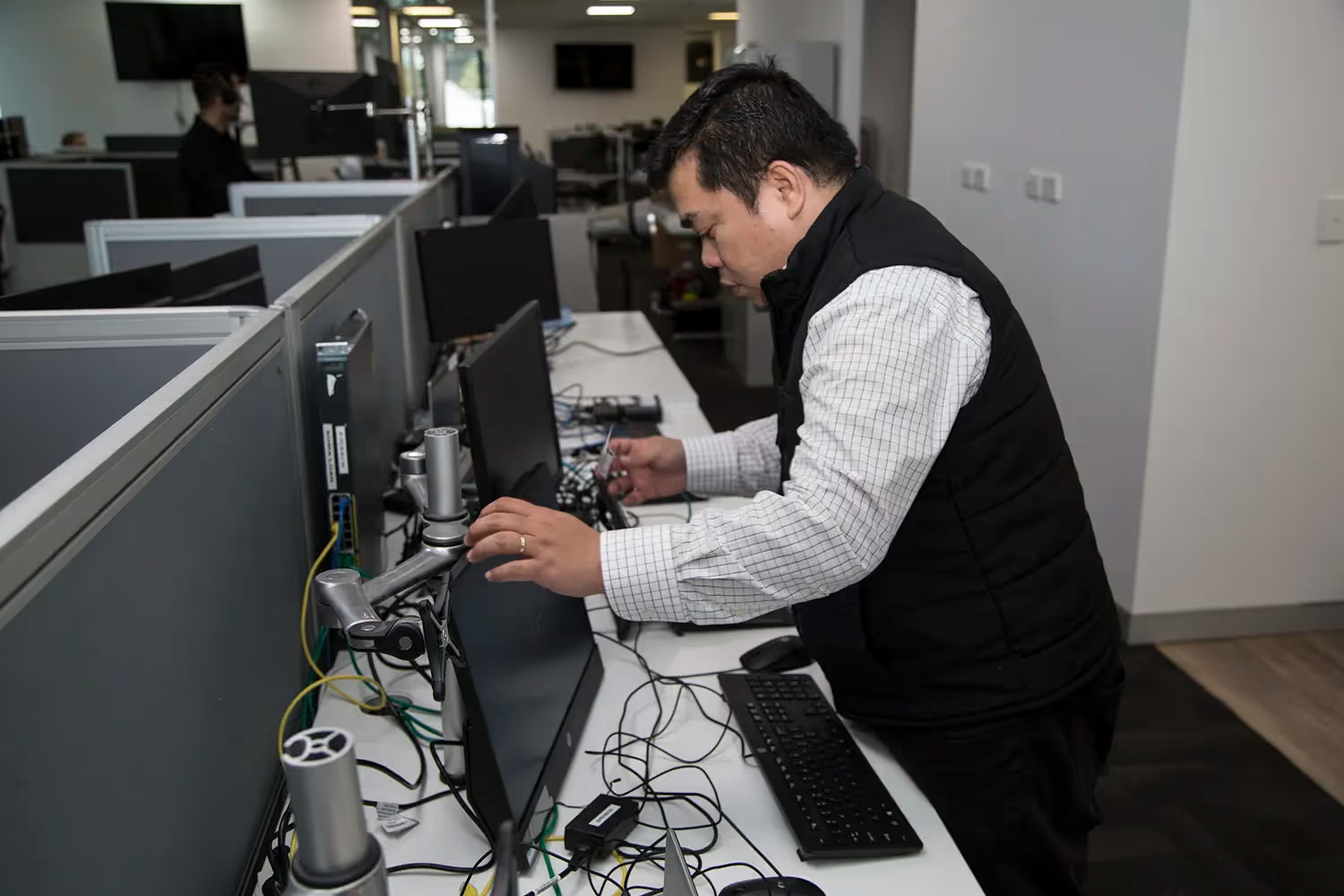
Diverse team discussing bespoke IT systems

Myths and mistakes: What you need to know about bespoke IT systems

Many businesses hesitate to invest in bespoke IT systems due to common misconceptions. Let’s break down the most frequent myths and mistakes so you can make informed decisions.

Myth #1: Bespoke IT systems are always expensive

While custom solutions can have a higher upfront cost, they often save money in the long run. You avoid paying for features you don’t need and reduce the risk of costly workarounds. Over time, a tailored system can deliver a better return on investment by improving efficiency and reducing errors.

Myth #2: Off-the-shelf software is easier to deploy

Off-the-shelf programs are indeed quick to install, but they may not fit your business perfectly. This can lead to extra time spent on manual work or integrating other tools. Bespoke IT systems are designed for seamless deployment and integration, making them easier to use from day one.

Myth #3: Custom solutions are hard to maintain

A good bespoke software provider offers ongoing services and support. You’ll have access to experts who understand your system and can provide updates, troubleshooting, and advice as your business grows.

Myth #4: Only large companies need bespoke IT systems

Businesses of all sizes can benefit from tailored technology services. Whether you have 20 or 1,000 employees, a custom solution can help you work smarter, not harder.

Myth #5: Cybersecurity is weaker in bespoke systems

Bespoke IT systems can actually improve your cybersecurity. Since they’re built for your needs, you can include advanced security features and regular updates to protect your data.

Myth #6: Scalability is a problem with custom software

Custom systems are designed to scale with your business. As you grow, your IT solution can be updated or expanded to handle more users, data, or features without starting from scratch.

Key benefits of choosing a tailored IT system

Choosing bespoke IT systems offers several important advantages:

  • Custom fit for your business processes and goals
  • Greater flexibility to adapt as your needs change
  • Enhanced data security with features chosen by you
  • Seamless integration with your existing tools and platforms
  • Personalised support from a team that knows your system
  • Improved efficiency and productivity for your staff
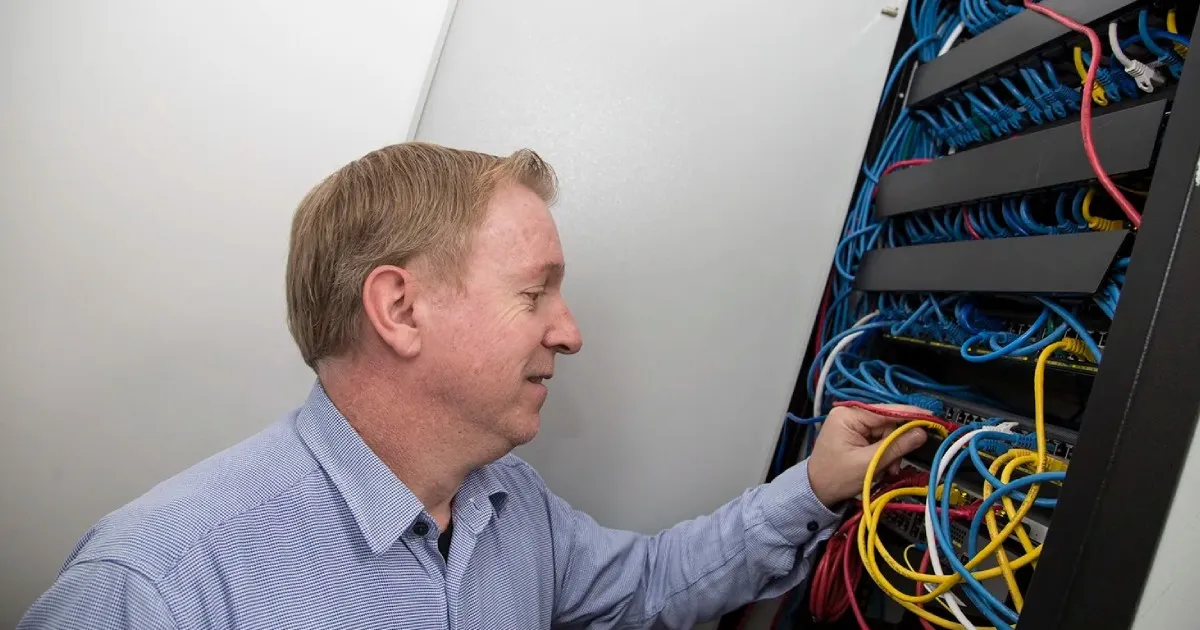
Diverse team discussing bespoke IT systems

How AI and integration shape modern bespoke IT systems

AI is changing the way businesses use technology. When you include AI in your bespoke IT systems, you can automate tasks, analyse data faster, and make smarter decisions. This helps you stay ahead of competitors and respond quickly to market changes.

Integration is another key factor. Your bespoke system should work smoothly with other software you use—like accounting, CRM, or inventory tools. This reduces manual data entry and helps your team access information in one place. By choosing a vendor with experience in integration, you’ll get a solution that fits your whole business, not just one department.

Steps to successful bespoke software development

Building a bespoke IT system involves careful planning and clear communication. Here’s how to make the process work for you.

Step 1: Define your business challenges

Start by listing the problems you want to solve. This helps your software partner understand your goals and design a solution that fits.

Step 2: Choose the right vendor

Look for a provider with experience in your industry and a track record of successful bespoke software development. Ask about their process, support, and how they handle changes during the project.

Step 3: Plan for seamless deployment

Work with your vendor to create a deployment plan that minimises disruption. This might include staff training, data migration, and testing before launch.

Step 4: Focus on scalability

Make sure your new system can grow with your business. Ask about options for adding users, features, or integrations in the future.

Step 5: Prioritise services and support

Ongoing support is essential for long-term success. Choose a partner who offers regular updates, troubleshooting, and advice as your needs evolve.

Step 6: Measure ROI

Track the impact of your bespoke IT system on productivity, costs, and customer satisfaction. This helps you see the value of your investment and plan for future improvements.

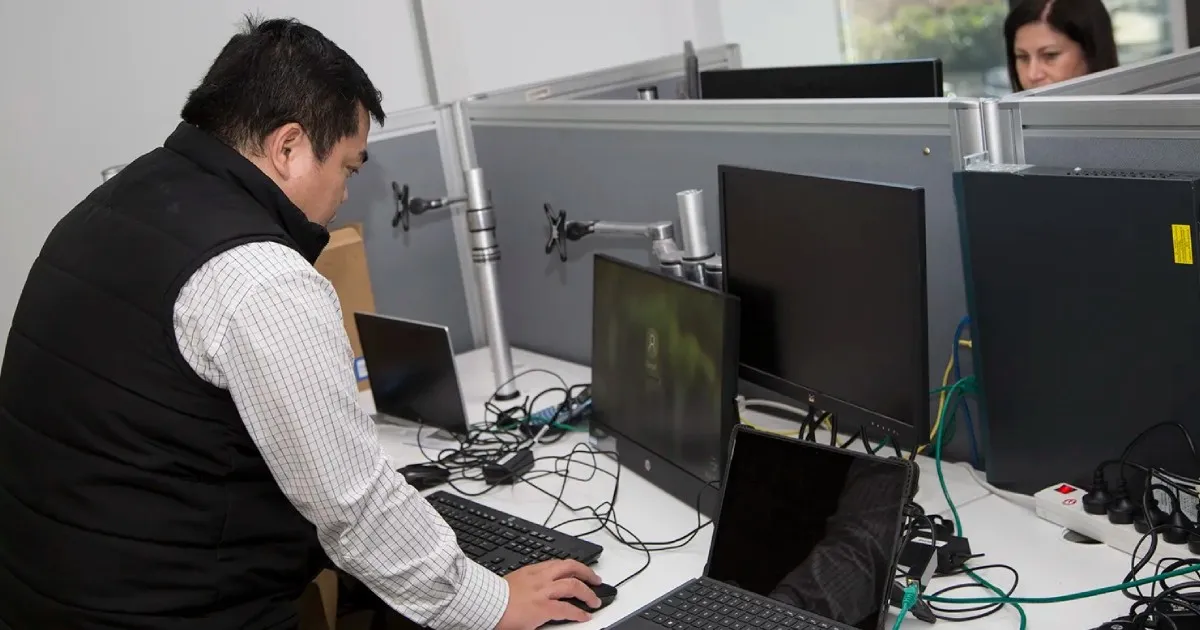
Diverse team discussing bespoke IT systems

Essential features of a successful bespoke IT system

A strong bespoke IT system should include:

  • User-friendly interface for easy adoption
  • Reliable data backup and recovery options
  • Flexible reporting and analytics tools
  • Security features tailored to your industry
  • Integration with your existing software
  • Customisable workflows to match your processes

Practical tips for deploying bespoke IT systems

Rolling out a new IT system can feel overwhelming, but planning makes it easier. Start by involving key staff early in the process. Their input will help you design a system that works for everyone.

Test the system thoroughly before launch. This includes checking data accuracy, user access, and integration with other tools. Provide training sessions so your team feels confident using the new system from day one.

Finally, set up a plan for ongoing support and updates. Technology changes quickly, so regular check-ins with your vendor will keep your system running smoothly and securely.

Best practices for getting the most from your bespoke IT system

Follow these tips to maximise the value of your investment:

  • Communicate your needs clearly to your software partner
  • Involve staff in the design and testing phases
  • Set realistic timelines for development and deployment
  • Plan for regular updates and improvements
  • Monitor system performance and user feedback
  • Stay informed about new technology that could benefit your business

A well-planned approach helps you avoid common pitfalls and ensures your bespoke IT system delivers lasting value.

Open-plan office with bespoke IT systems

How Soma Technology Group can help with bespoke IT systems

Are you a business with 20 to 1,000 employees looking for a better way to manage your technology? Growing businesses need solutions that fit their unique needs, not just generic software. We understand the challenges you face and specialise in creating bespoke IT systems that deliver real results.

Our team works closely with you to design, deploy, and support tailored technology services that help your business thrive. If you’re ready to move beyond off-the-shelf software and want personalised support every step of the way, contact us today to see how we can help.

Frequently asked questions

What is the difference between bespoke IT systems and off-the-shelf software?

Bespoke IT systems are custom-built to match your business’s needs, while off-the-shelf software is designed for a wide audience. With bespoke solutions, you can integrate features that fit your workflow and tailor the system to your processes. Off-the-shelf options may require you to change how you work to fit the software.

Choosing a bespoke solution means you can work with a vendor who understands your goals and can provide ongoing integration and support. This approach helps you avoid unnecessary features and ensures your technology grows with your business.

How does bespoke software improve cybersecurity for my business?

Bespoke software allows you to include security features that address your specific risks. You can work with your provider to integrate advanced protections, such as multi-factor authentication or data encryption, that may not be available in standard software.

By tailoring your IT system, you reduce the risk of vulnerabilities that hackers often exploit in widely used programs. A trusted vendor will also offer regular updates and advice to keep your system secure as threats evolve.

Can bespoke IT systems scale as my business grows?

Yes, bespoke IT systems are designed with scalability in mind. You can add new users, features, or integrations as your business expands, without having to replace the entire system.

A good software solution will let you tailor the system to your changing needs. This flexibility helps you avoid the costs and disruptions of switching platforms as your company grows.

What is involved in the software development process for bespoke IT systems?

The software development process starts with understanding your business challenges and goals. You’ll work with your vendor to design a system that fits your requirements, then move through planning, building, testing, and deployment.

Throughout the project, you’ll have opportunities to review progress and suggest changes. This ensures the final product matches your expectations and integrates smoothly with your existing tools.

How can AI be used in bespoke IT systems?

AI can automate repetitive tasks, analyse large amounts of data, and provide insights to help you make better decisions. By integrating AI into your bespoke IT system, you can improve efficiency and gain a competitive edge.

Your vendor can help you identify areas where AI will have the most impact, such as customer service, inventory management, or reporting. This tailored approach ensures you get the most value from your investment.

What kind of personalised support can I expect with bespoke IT solutions?

With bespoke IT solutions, you receive personalised support from a team that understands your system inside out. This includes help with troubleshooting, updates, and advice on new features or improvements.

A reliable vendor will offer ongoing services and support, so you always have someone to turn to when you need help. This level of care helps your business stay productive and secure.